

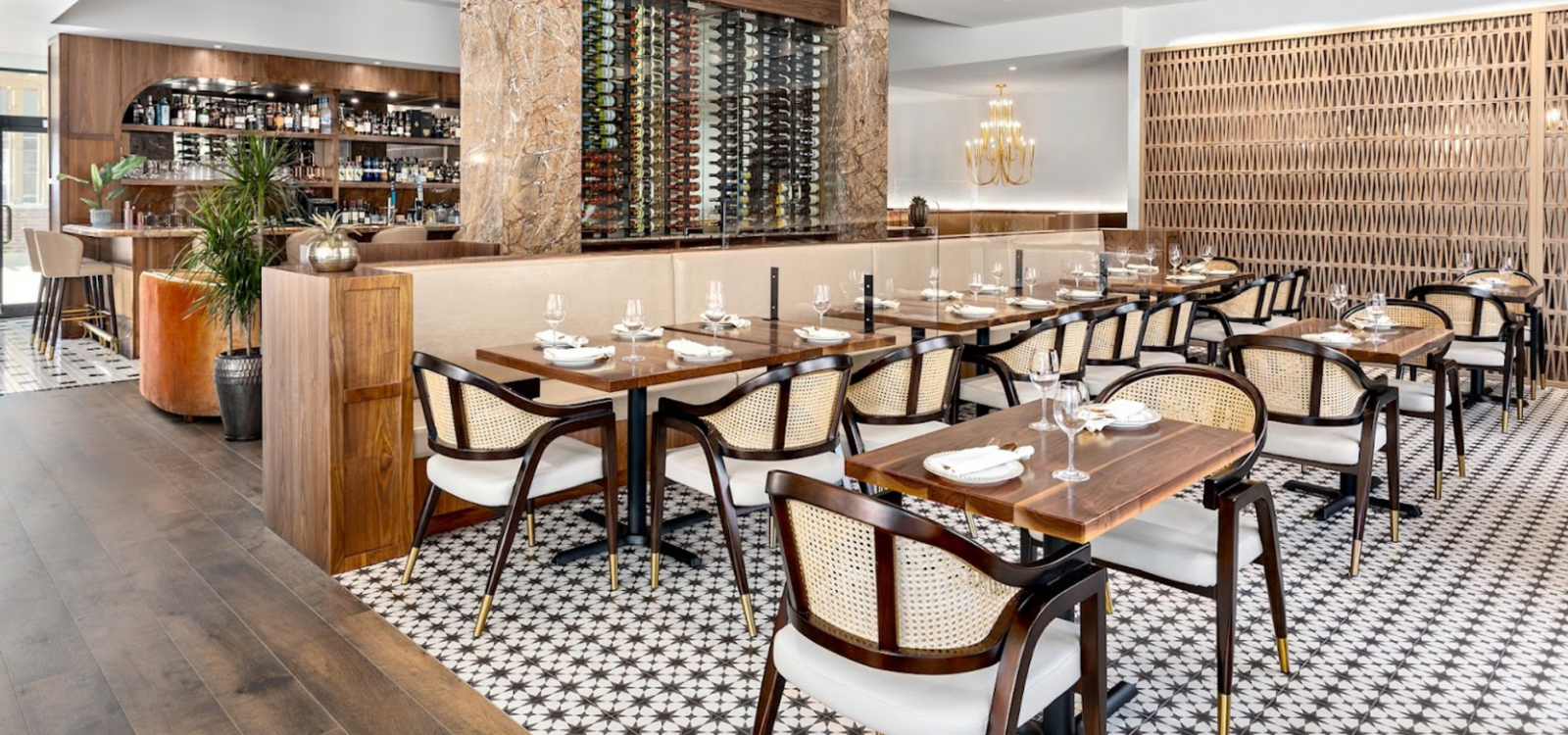
When it comes to setting up your restaurant, choosing the right furniture is just as important as selecting the perfect menu or creating the ideal ambiance. Restaurant furniture plays a pivotal role in customer satisfaction, comfort, and your overall brand image.
From chairs to tables and décor pieces, every item must serve a purpose, aligning with the functionality and aesthetic of your space. To ensure you’re making informed decisions, here are 10 essential factors to consider before purchasing restaurant furniture.
Table of Contents
Space Planning and Layout
Before buying any furniture, it’s crucial to understand the layout and space constraints of your restaurant. Proper space planning is the foundation for creating a comfortable and functional dining environment. Take into account the size of the space, the type of restaurant you’re running, and the flow of traffic in your establishment. For example:
- Casual Dining: You’ll need to balance comfort and accessibility, ensuring enough room for guests to move between tables.
- Fine Dining: More emphasis will be placed on luxurious and comfortable seating with an emphasis on privacy.
Using a layout design tool can help you visualize the arrangement of furniture. Factor in aisles, walkways, and the kitchen’s proximity to the dining area to prevent overcrowding and enhance guest movement. Furniture that doesn’t fit well into your space can disrupt the customer experience and affect your restaurant’s functionality.
Comfort and Durability
Your restaurant’s success depends heavily on guest satisfaction, and comfort is a top priority in creating a welcoming atmosphere. No matter how stylish the furniture looks, it won’t matter if guests aren’t comfortable. When choosing furniture, look for the following:
- Seating: Consider cushioned or padded seating for longer dining experiences. If your restaurant offers casual or quick dining, consider sturdier, firmer seating.
- Backrests and Armrests: For added comfort, especially in fine dining or casual restaurants, ensure that the backrests are supportive and the armrests are positioned well for relaxation.
Additionally, durability is key, especially in a busy restaurant environment. Furniture undergoes constant use, so choosing durable materials like metal, solid wood, or high-quality plastics ensures longevity.
Style and Theme of the Restaurant
Your furniture should complement your restaurant’s overall theme and ambiance. Whether your establishment features modern, rustic, or vintage décor, your furniture should match. For instance:
- Modern Restaurants: Sleek, minimalist furniture with clean lines, often in neutral colors like black, white, or gray.
- Rustic or Farmhouse Style: Wooden tables with simple, sturdy designs and warm tones.
- Industrial Style: Exposed metal, reclaimed wood, and minimalistic yet functional furniture.
Keep your target audience in mind when selecting furniture. The goal is to create an aesthetic that appeals to your customers while enhancing their dining experience. Well-chosen furniture can elevate the entire atmosphere and even act as a conversation starter.
Functionality and Versatility
Restaurant furniture should be functional and adaptable. The furniture you choose must meet the needs of your dining style and daily operations. Some features to consider include:
- Foldable or Stackable Chairs and Tables: These are ideal for events or spaces that need to accommodate fluctuating guest numbers.
- Multi-Functional Furniture: Consider furniture that serves dual purposes, such as benches with hidden storage for convenience.
- Easy-to-Clean Surfaces: Spills and stains are inevitable, so opt for furniture materials that are easy to wipe down and maintain, such as metal, acrylic, or vinyl.
The more versatile your furniture, the easier it will be to rearrange your layout and maximize seating without compromising guest comfort or space.
Quality of Materials
The material of your restaurant furniture impacts its durability, aesthetic, and maintenance. Choosing the right material is essential to ensure that your furniture can withstand daily wear and tear. Some common materials include:
- Wood: Natural wood like oak or walnut gives a classic, timeless look, but it may require more maintenance to keep it looking new.
- Metal: Steel or aluminum provides a modern touch and is easy to maintain, though it may lack warmth.
- Plastic: A cost-effective option, lightweight and easy to clean but may not be as durable over time.
- Upholstery: When selecting fabric or leather for upholstery, opt for materials that resist stains, wear, and fading.
Investing in high-quality materials may cost more upfront but will save you money on repairs and replacements in the long run.
Maintenance and Cleaning
Restaurants are high-traffic environments, and keeping your furniture clean and well-maintained is essential for health and safety. Choose furniture that is easy to clean and maintain. Look for the following features:
- Removable Cushions: If your seating has cushions, ensure they are removable for easy washing and cleaning.
- Stain-Resistant Fabrics: Upholstered furniture should be made of stain-resistant materials to withstand spills from food and drinks.
- Non-Absorbent Surfaces: Tables with non-porous surfaces are essential to prevent bacterial growth and simplify sanitizing.
Opting for low-maintenance furniture materials will save you time and effort in upkeep and maintain the overall cleanliness and hygiene of your restaurant.
Budget Considerations
When purchasing restaurant furniture, your budget plays a significant role in determining the quality and quantity of furniture you can afford. While it’s essential to make wise investments in key pieces like tables and chairs, balance your budget by looking for cost-effective alternatives for non-essential items.
Consider these tips to manage costs:
- Buy in Bulk: Many suppliers offer discounts when you buy furniture in bulk.
- Prioritize High-Use Areas: Invest more in furniture that will see constant use, such as dining chairs and tables. For less frequented spaces like waiting areas, you can opt for more affordable furniture.
- Consider Financing: Some furniture stores offer financing options, which can ease the financial strain if you’re opening a new restaurant or remodeling an existing one.
Ensure that your furniture investments align with your financial plan while still contributing to the overall restaurant experience.
Safety and Stability
The safety of your guests should be a top priority. Avoid furniture that poses safety hazards, such as chairs with unstable legs or tables that wobble. Stability is essential, especially in high-traffic areas where people may bump into tables or chairs. Prioritize:
- Non-Slip Feet: To prevent furniture from slipping and causing accidents, choose furniture with non-slip feet or rubber stoppers.
- Smooth Edges: Make sure that furniture has smooth edges to reduce the risk of injury, especially in family-friendly restaurants.
- Level Surfaces: Tables should have adjustable or level surfaces to avoid wobbling when guests place drinks or food on them.
Investing in safety-conscious furniture helps create a secure environment for your staff and guests alike.
Sustainability and Eco-Friendliness
As environmental awareness grows, more restaurant owners are opting for sustainable and eco-friendly furniture. Choosing eco-friendly furniture not only aligns with your restaurant’s values but can also be an attractive feature for eco-conscious customers. Look for furniture made from:
- Reclaimed Wood: Repurposed wood from old buildings or barns can give your restaurant a rustic charm while being environmentally friendly.
- Recycled Materials: Furniture made from recycled materials like plastic or metal helps reduce your carbon footprint.
- Sustainable Manufacturing: Look for companies that follow sustainable manufacturing processes and use non-toxic finishes and paints.
Incorporating sustainable furniture into your restaurant can enhance your reputation and appeal to customers who value eco-conscious choices.
Supplier Reputation and Warranty
Choosing a reputable Restaurant Furniture Manufacturers is critical to ensuring you receive high-quality furniture. Research suppliers and read reviews to gauge their reliability. Consider the following:
- Warranty and Return Policy: Ensure the furniture supplier offers warranties and a clear return policy for defective or damaged items.
- Customization: Some suppliers offer customization options, allowing you to tailor the furniture to match your restaurant’s unique theme and branding.
A trustworthy supplier ensures that you are getting high-quality furniture and good customer service throughout the process.
Conclusion
Selecting the right restaurant furniture is not a decision to be taken lightly. By considering these 10 factors—space planning, comfort, style, durability, and more—you can create a dining environment that enhances both the customer experience and your restaurant’s operational efficiency. Invest in furniture that not only looks good but is functional, comfortable, and built to last. Ultimately, your restaurant’s furniture will set the stage for memorable dining experiences and play a significant role in your overall success.
When making these decisions, it’s also essential to consult with hotel furniture manufacturers who understand the specific needs of the hospitality industry. These experts can help you choose the right furniture that complements your restaurant’s ambiance while ensuring long-lasting quality. By working with hotel furniture manufacturers who specialize in durable, stylish, and functional pieces, you ensure your investment pays off in both the short and long term.
Make the right choice today, and your guests will thank you for it.