

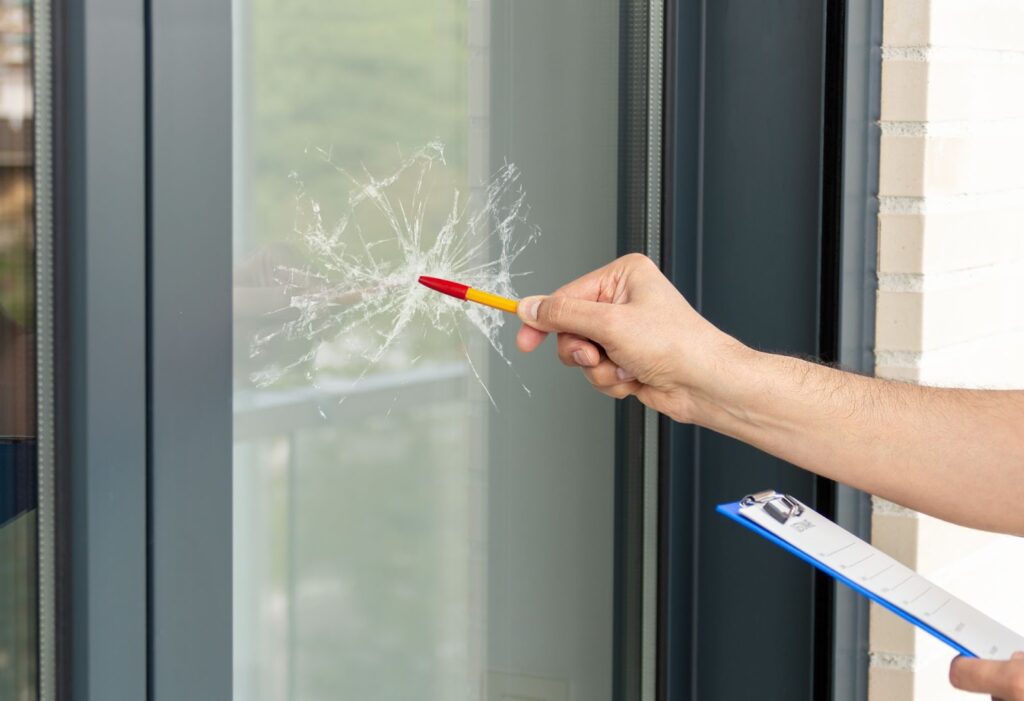
A cracked or chipped glass door can create more than a cosmetic issue—it can also threaten your home’s safety, comfort, and energy efficiency. When you spot damage, the big question becomes: should you repair it, or is it time for a full replacement?
The right decision depends on the extent of the damage, the type of glass, and how the door functions overall. Understanding the difference helps you save money, avoid hazards, and maintain your home’s value.
Table of Contents
When a Repair Might Be Enough
Not every damaged glass door requires complete replacement. In some cases, a professional repair can restore both appearance and functionality, provided the damage is minor.
Situations where repair makes sense include:
- Small surface cracks or chips: If the damage is small—typically under a few inches—and doesn’t reach the edges, glass specialists can use bonding agents to seal the area and prevent spreading.
- Stable, undamaged frame: When the door frame remains strong and square, repairing the glass alone can be a cost-effective solution.
- Single-pane glass: Many older patio or storm doors use single-pane glass, which is easier and less expensive to repair than modern double-pane or tempered options.
That said, glass repairs are often temporary. Even a small crack weakens structural integrity and can expand over time due to temperature changes or pressure. If you’re unsure, it’s best to have a professional evaluate whether the repair will hold safely.
When Replacement Is the Smarter Choice
In other cases, repairing a damaged pane may not be worth the risk. Replacement becomes necessary when the glass, frame, or seal is too compromised to restore safely.
Signs you need a replacement include:
- Cracks reaching the frame or spanning multiple areas: Once a crack extends to the edges, it weakens the entire panel and increases the chance of sudden shattering.
- Tempered or insulated glass damage: These glass types are designed to break safely, but once they do, they cannot be repaired.
- Fogging or moisture inside double panes: A cloudy or fogged appearance means the seal has failed, allowing air and water between layers.
- Warped or rotted frames: If the frame can’t support new glass securely, replacing the entire door is the safest long-term option.
Though more expensive upfront, replacement provides lasting benefits. It improves insulation, enhances security, and ensures your home meets current safety codes. For most homeowners, investing in a broken glass door replacement is the most reliable way to restore peace of mind and long-term value.
Safety Comes First
Cracked glass is unpredictable. Even a slight vibration, strong wind, or change in temperature can cause it to shatter unexpectedly. That’s why safety should be the primary factor in your decision.
Modern glass doors typically use tempered or laminated glass, which breaks into small, rounded pieces rather than dangerous shards. If your door was installed decades ago, it might not meet current safety standards—making replacement an even wiser choice.
The Cost Comparison: Repair vs. Replace
Budget considerations always play a role. On average, repairing a small crack costs $100 to $300, while replacing a full glass door can range from $500 to $1,500 or more depending on size and materials.
However, a short-term fix may lead to repeat issues or reduced efficiency. Replacement, on the other hand, provides long-term advantages such as:
- Improved energy efficiency: Modern doors reduce drafts and help lower utility bills.
- Enhanced aesthetics: Clear, undamaged glass instantly improves your home’s look.
- Higher resale appeal: Updated doors signal well-maintained property to buyers.
- Better durability: Newer glass options resist weather and impact damage far more effectively.
When safety or performance is in doubt, replacement is a smart investment that pays off over time.
Tips to Prevent Future Damage
After your door is repaired or replaced, a few simple habits can extend its lifespan:
- Avoid slamming doors. Sudden force causes stress fractures in the glass or frame.
- Keep tracks and rollers clean. Dirt buildup can create uneven pressure on the door.
- Use protective window film. This reduces glare, UV damage, and thermal stress.
- Trim nearby trees and bushes. Prevent impact during storms or windy days.
- Schedule periodic inspections. Catch small issues before they lead to costly repairs.
Consistent maintenance ensures your glass doors stay clear, secure, and efficient for years.
Key Takeaway
Determining whether to repair or replace a cracked glass door comes down to three key factors: safety, cost, and long-term reliability. Small chips can often be repaired safely, but once cracks spread, seals fail, or frames warp, replacement is the better path forward.
A professional broken glass door replacement doesn’t just restore your door’s appearance—it reinforces your home’s safety, energy efficiency, and peace of mind.