

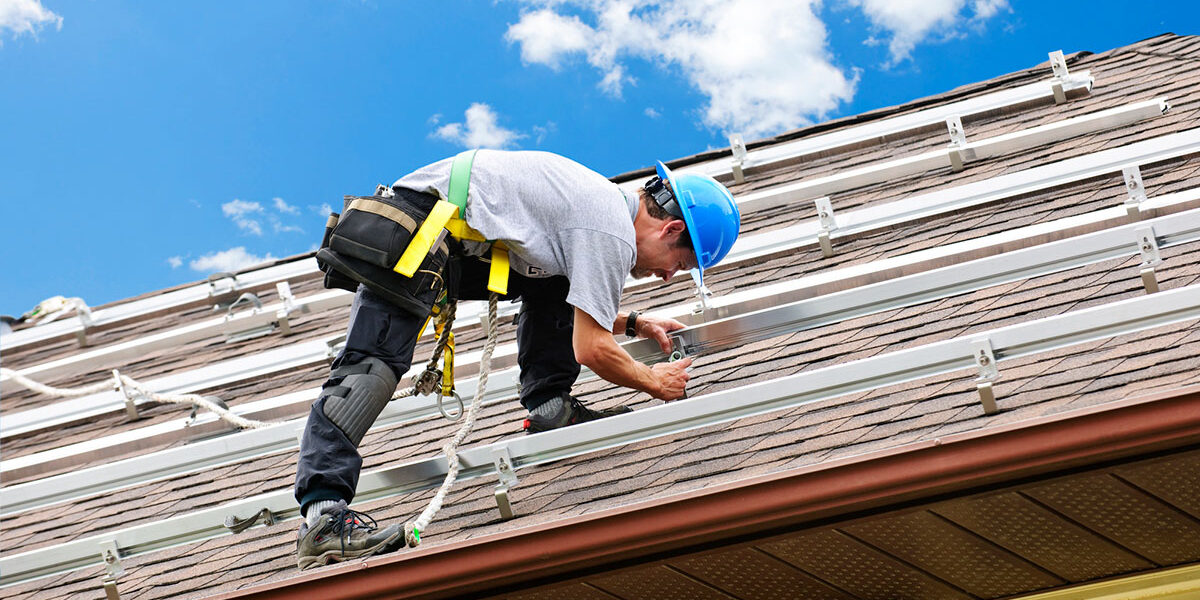
When flipping a home, every decision affects your bottom line — from curb appeal to closing costs. Among those decisions, replacing the roof is one of the most expensive and impactful. A new roof can boost resale value and buyer confidence, but it can also drain profits if handled incorrectly. Many flippers learn this lesson the hard way, losing thousands of dollars to poor planning, rushed hiring, or overlooked details.
Avoiding these pitfalls begins with understanding the most common mistakes investors make during roof replacements — and how to ensure your next flip stays profitable.
Table of Contents
Choosing the Cheapest Materials Possible
Home flippers often look for cost savings wherever they can, but roofing is one place where “cheap” can become costly. Opting for low-grade shingles, underlayment, or flashing might save a few hundred dollars now, but it often leads to leaks, repairs, or even full replacements down the road.
Buyers are becoming savvier, too. A poor-quality roof can be spotted quickly during inspections, leading to reduced offers or requests for concessions. Instead of focusing solely on price, weigh the lifespan, warranty, and energy efficiency of materials. Durable options like architectural shingles or metal roofing can enhance resale value and reduce post-sale headaches.
Failing to Verify Local Building Codes and Permits
One of the most overlooked mistakes is skipping local building codes and permit requirements. Many municipalities require inspection before and after a roof replacement. Ignoring these regulations can delay your project, void insurance coverage, or result in costly fines.
Before work begins, confirm that your contractor has obtained all necessary permits. Additionally, ensure materials meet wind and impact resistance codes for your region. A compliant roof not only passes inspection — it becomes a selling point for buyers who want peace of mind.
Hiring the Wrong Contractor
Perhaps the most damaging error flippers make is hiring the wrong roofing contractor. Choosing a roofer based solely on price, availability, or a quick online ad can lead to substandard work or hidden costs.
Learning how to choose a roofing contractor is essential for any investor managing multiple projects. A qualified professional should be licensed, insured, and experienced with investment properties. Ask for proof of credentials, detailed estimates, and written warranties. Most importantly, verify reviews and past project photos.
A good contractor will also understand your time constraints — balancing speed with precision so your flip stays on schedule without cutting corners.
Skipping Roof Inspections Before Buying
Many flippers focus on kitchens and bathrooms when evaluating a property, but skipping a professional roof inspection is a costly oversight. Roof damage isn’t always visible from the ground — issues like moisture intrusion, structural sagging, or hidden leaks can turn what looks like a quick flip into a financial sinkhole.
Always hire a certified inspector before purchasing a property. A $300 inspection could reveal $10,000 in future problems. And if issues are found, you can use that report to negotiate a lower purchase price or plan your renovation budget accurately.
Replacing the Roof Too Late in the Project
Timing is everything. Some investors wait until other renovations are complete before replacing the roof, thinking it’s the final touch before listing. Unfortunately, this approach can lead to damaged new interiors if leaks occur mid-renovation.
Schedule roofing work early in your project timeline. This protects the rest of the home from water intrusion and ensures any debris cleanup happens before painting or landscaping. Plus, a completed roof can make a strong first impression when marketing the property — signaling buyers that the home has been properly cared for.
Ignoring Ventilation and Energy Efficiency
A roof does more than keep rain out; it plays a crucial role in a home’s energy efficiency. Many flippers replace old shingles without considering attic ventilation, insulation, or radiant barriers. Poor ventilation can cause heat buildup, leading to higher energy bills and shorter roof lifespan.
Adding ridge vents, soffit vents, or reflective underlayment is a relatively small investment that adds significant long-term value. Highlighting these improvements in your listing can help justify a higher asking price and attract eco-conscious buyers.
Underestimating the ROI of a Proper Roof Replacement
A roof replacement might feel like a cost center, but it’s actually an ROI multiplier when executed correctly. According to Remodeling Magazine’s Cost vs. Value Report, a new roof can return over 60–70% of its cost at resale — even higher in regions with heavy weather exposure.
Beyond the numbers, it builds trust. Buyers often view a new roof as a sign that the rest of the home was renovated responsibly. When multiple flips compete in the same market, that perception alone can be the deciding factor.
Not Accounting for Weather or Seasonal Delays
Roofing is weather-sensitive work. Scheduling your project during rainy or hurricane seasons can push timelines back weeks, increasing carrying costs. Many contractors also book months in advance during peak seasons, so planning ahead is critical.
Always build a weather buffer into your flipping timeline. Coordinate with your roofer to start during dry months, and confirm that materials are available well before your closing target.
Avoid Mistakes With an Experienced Roofing Contractor
Flipping homes successfully is all about managing risk and maximizing return. Roof replacements are one of the largest single expenses you’ll face, but also one of the most rewarding if done right.
Avoiding these common roof replacement mistakes can save you from costly surprises, protect your investment, and elevate your property’s market appeal. Start by learning how to choose a roofing contractor who understands your goals and treats your project like their own.
With the right planning, materials, and expertise, your next flip won’t just look great from the curb — it’ll close faster, sell for more, and stand out as a professional-quality renovation.